Most people don’t have a problem picking an aesthetic. They have a problem picking one and sticking to it. They go cozy for a month, then shift to dark academia, then spot something kawaii and start over. The room never actually comes together because it’s always in transition.
The fix isn’t better willpower. It’s picking the right aesthetic from the start one that fits your actual life, your actual space, and your actual budget so you don’t feel the urge to abandon it.
Why Most People Keep Changing Their Aesthetic
The usual reason is this: they pick an aesthetic based on how a room looks in photos, not based on how they actually live in a room.
A dark academia bedroom looks extraordinary in a photoshoot. But if you’re someone who likes a bright workspace, wants to do makeup in good lighting, and prefers a calm morning atmosphere, dark academia will fight you every day. You’ll enjoy it for two weeks and then feel vaguely uncomfortable in your own room without knowing why.
The aesthetics that stick are the ones where the visual style and the lifestyle style align. Before you pick anything, answer three questions honestly:
-
How much light do you want in your room? Some aesthetics (cozy, Scandinavian, cottagecore) depend on warm ambient light. Others (dark academia, moody maximalist) work better with low, directed light. If you love morning sunlight, that rules out a lot of darker palettes.
-
How tidy are you in practice not in aspiration? Minimalist aesthetics look extraordinary and fall apart completely if you’re not naturally organised. Maximalist styles like cottagecore or kawaii are more forgiving of clutter because layered texture is part of the point. Be honest about this. Your future self will thank you.
-
What do you actually want to feel in your room? Calm? Energised? Creative? Cosy? The answer to this should drive everything else. Pick the feeling first, then find the aesthetic that produces it.
A Quick Guide to the Main Aesthetics (India Edition)
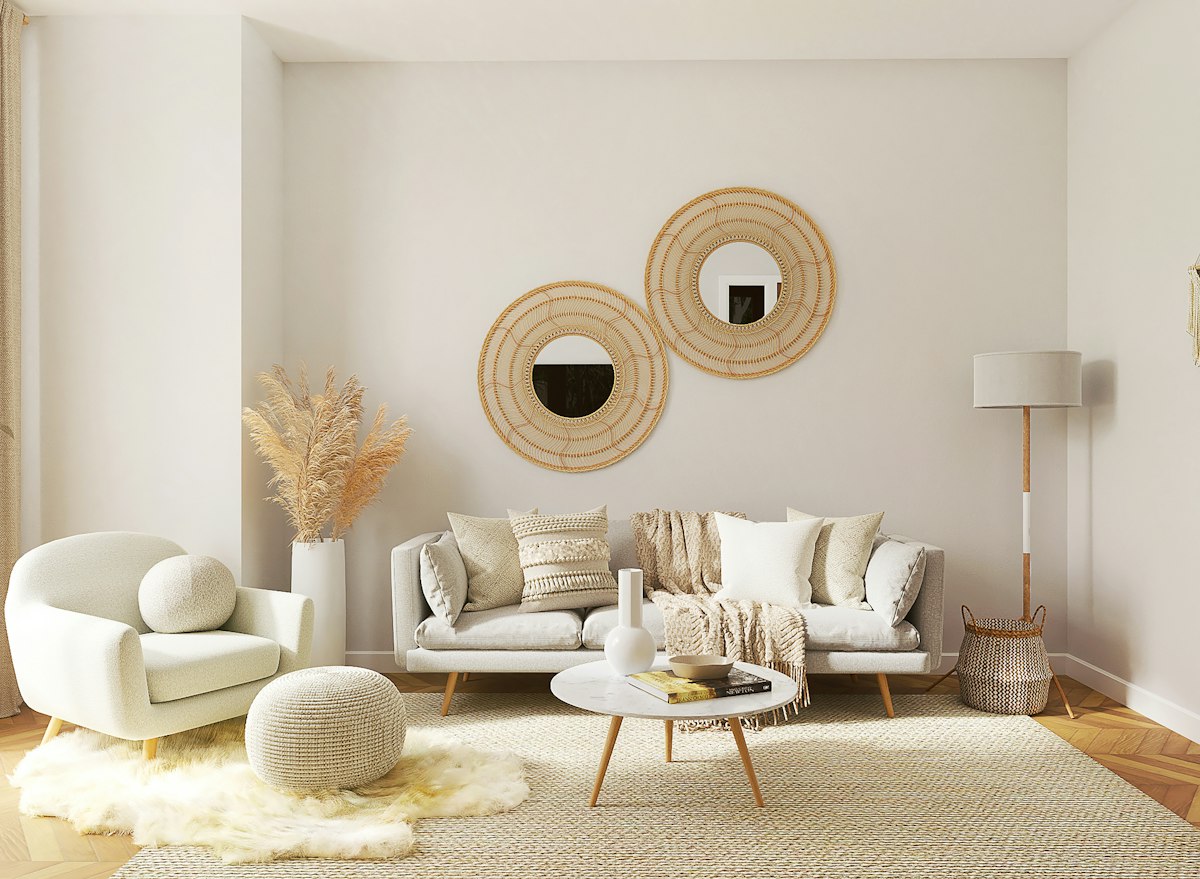
Cozy / Study Setup
Feeling: Warm, productive, calm the “I could live here” vibe. Key elements: Warm lighting (string lights, tulip lamps), soft neutrals, a tidy desk with a few decorative items, one plushie or soft object. Best for: Students, work-from-home setups, anyone who spends long hours in their room. Budget range: ₹1,500–₹3,000 for a solid starting setup. One thing that makes it work: The lighting. Cozy aesthetic lives or dies on warm, layered light. Get this right first.
Kawaii / Pastel
Feeling: Playful, soft, happy the room version of a smile. Key elements: Pastels (pink, lilac, mint), plushies, cloud lamps, cute stationery, rounded shapes. Best for: People who want their space to feel joyful and personal, not minimalist. Budget range: ₹1,000–₹2,500 to start. Easy to add to over time. One thing that makes it work: Colour cohesion. Pick two or three pastel tones and stick to them. A random mix of every pastel reads as childish rather than curated.
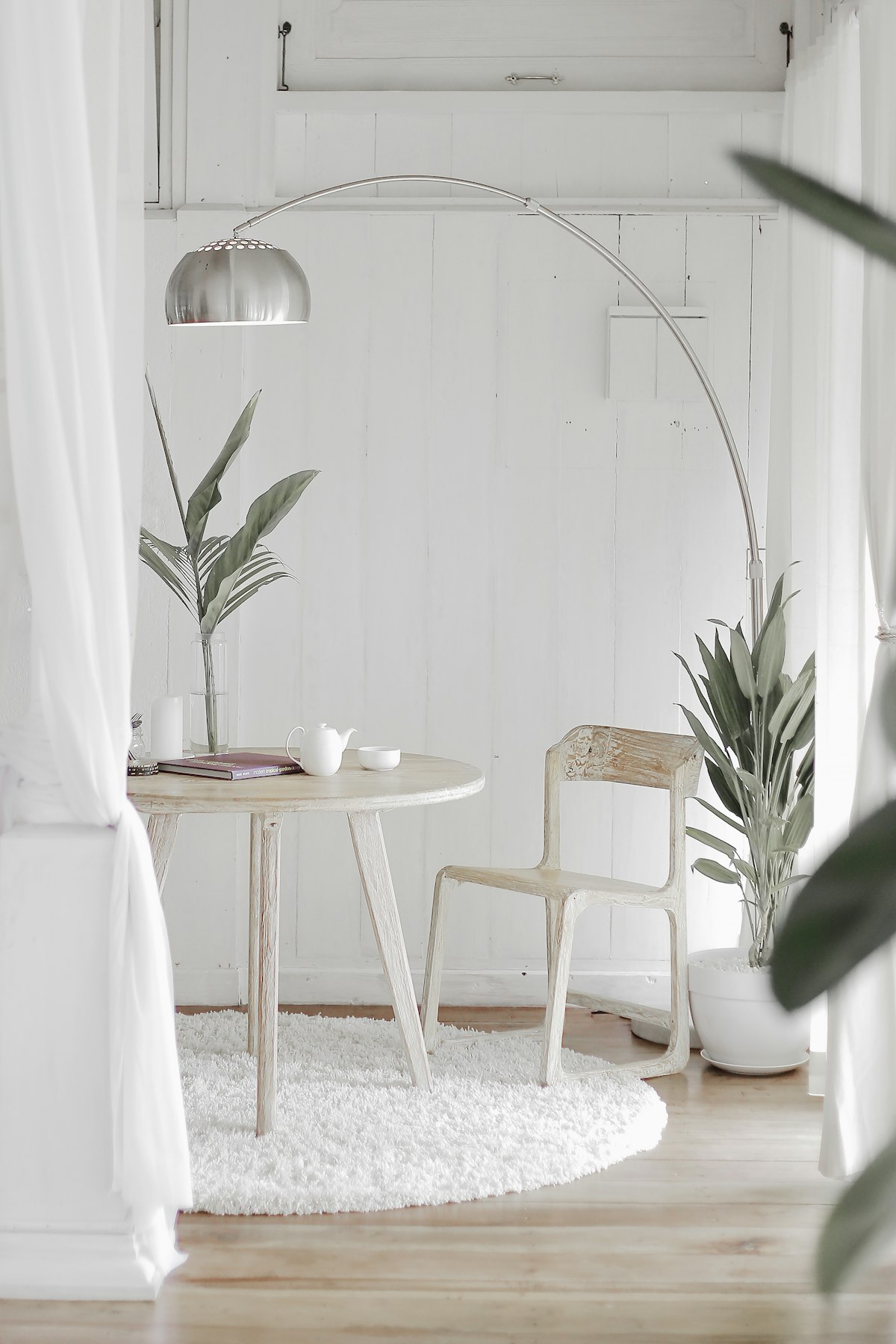
Minimalist / Clean Desk
Feeling: Calm, ordered, focused nothing extra. Key elements: Neutral palette (white, beige, grey), hidden cables, empty surfaces, one or two intentional objects only. Best for: People who genuinely find visual clutter stressful, not people who wish they were more tidy. Budget range: On all orders over ₹499–₹1,500. Less is literally more here. One thing that makes it work: Editing ruthlessly. Minimalist rooms don’t look empty they look chosen. Every single item in view should be there on purpose.
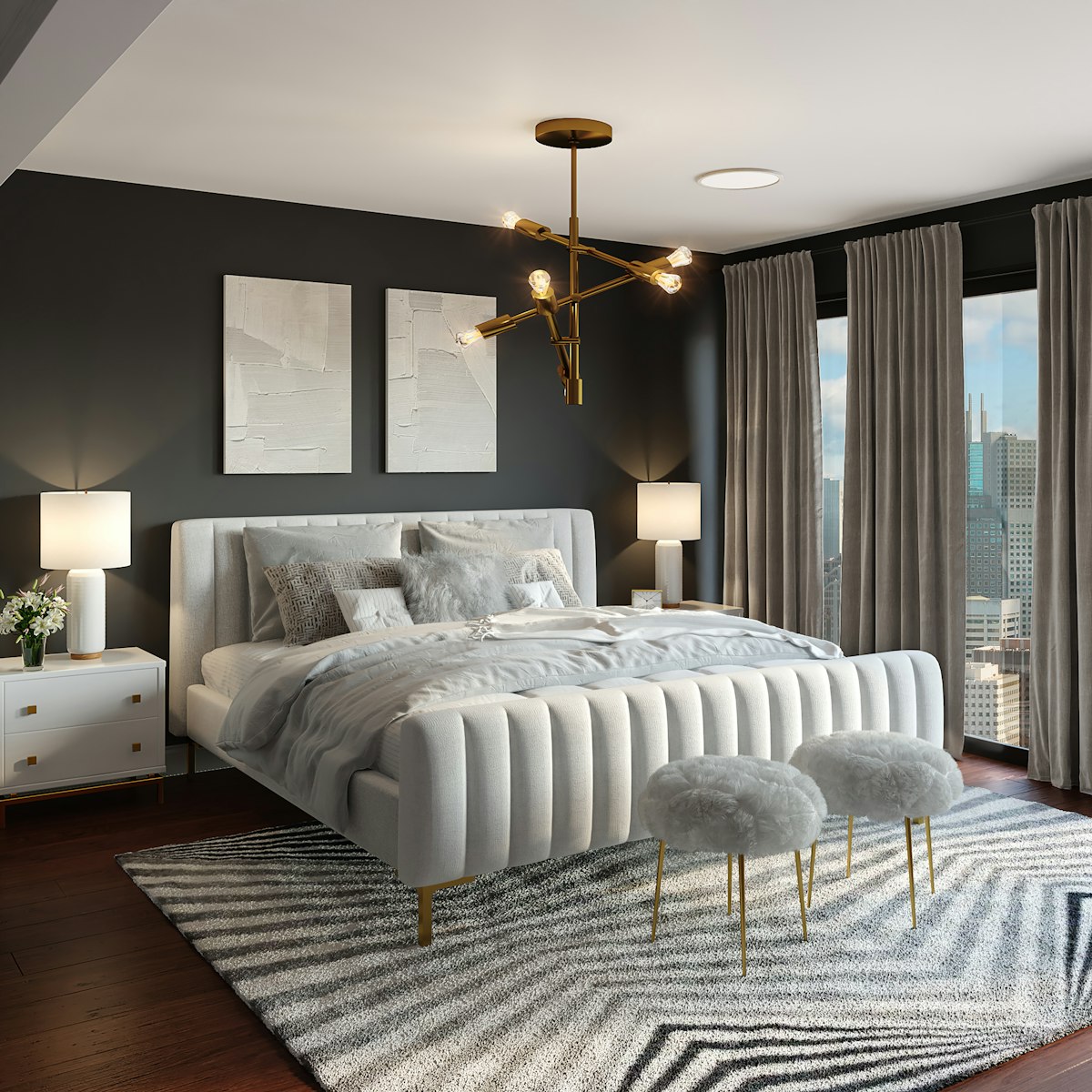
Dark Academia
Feeling: Moody, intellectual, atmospheric think candlelight and old books. Key elements: Deep tones (brown, navy, forest green), warm amber lighting, books as decor, wooden or brass accents. Best for: People who love reading, writing, or studying and want their room to feel like a creative refuge. Budget range: ₹2,000–₹4,000. The aesthetic relies more on furniture and textiles than small accessories. One thing that makes it work: Layered warm light. Without it the room just looks dark, not atmospheric.
How to Test an Aesthetic Before Committing
Before buying anything:
Make a mood board with only photos from real rooms, not styled shoots. Search Instagram or Pinterest for “[aesthetic] room tour” and look at how people actually live in the space, not how a professional photographer staged it. If you still love it after seeing the real version, you’ll probably stick with it.
Start with the lowest-cost element of that aesthetic and live with it for two weeks. For most aesthetics, this is lighting a set of string lights costs under ₹300. If the change makes you happy every time you look at it, keep going. If it feels wrong after a week, that’s useful information.
Don’t buy the statement piece first. The big cloud lamp, the tapestry, the loft bed these feel exciting but they’re also the hardest to return or resell. Get the fundamentals right (lighting, bedding, palette) and the statement piece will be obvious when you’re ready for it.
The Mistake That Wastes the Most Money
Buying individual pieces that look good alone but don’t belong to a cohesive palette.
This is how people end up with a beige comforter, black shelves, a bright pink lamp, a sage green cushion, and a dark wood desk that look individually fine and collectively chaotic. Each purchase seemed reasonable. Together they fight each other.
The fix: pick three colours before you buy a single thing. Write them down. Every purchase from that point either fits those three colours or it doesn’t get bought. This sounds constraining. It’s actually freeing it eliminates 90% of the decision fatigue and guarantees the room coheres.
Sticking With It
The real reason people abandon aesthetics isn’t boredom with the style. It’s that the room never fully came together, so it never delivered the feeling they were going for.
A half-finished cozy room doesn’t feel cozy. A half-finished kawaii room doesn’t feel joyful. If the aesthetic isn’t working, the instinct is to change it but the actual problem is usually that the core elements just aren’t in place yet.
Before switching, ask: do I have the right lighting? Is the bed sorted? Is the desk clean? These three things, done properly, will make almost any aesthetic work. Everything else is refinement.