Lighting is the single highest-leverage change you can make to a room. Everything else - the comforter, the plushies, the wall decor - looks different depending on how the room is lit. A well-decorated room with bad lighting still looks wrong. A simply decorated room with warm, layered lighting looks beautiful. This guide covers everything you need to know about choosing aesthetic LED lights for your room in India, what to avoid, and how to make it work on a budget.
The Golden Rule: Warm White Only
Before anything else: colour temperature. This is the number measured in Kelvin (K) that tells you how warm or cool a light source appears.
For an aesthetic bedroom, you want 2700K to 3000K. This range produces a soft, golden-warm light - the kind you see in those Pinterest room photos and cosy YouTube room tours. It’s flattering, it makes everything look better, and it creates atmosphere.
Cool white (5000K and above) is for offices, kitchens, and hospital waiting rooms. It produces a harsh, flat, bluish light that makes rooms look washed out and clinical. This one mistake ruins more room setups than any other. You can buy the most beautiful fairy lights in India and they’ll look terrible if they’re the wrong colour temperature. Always check the Kelvin rating before buying.
Types of Aesthetic Lights That Actually Work in Indian Rooms
Fairy/string lights are the most versatile aesthetic lighting option available. You can hang them along the headboard wall, drape them around a window frame, trail them over a shelf, or wrap them around a mirror. They’re inexpensive, widely available in India, and have an immediate effect on how a room feels. Get warm white. Avoid multicoloured LED string lights unless you’re going for a very specific neon-gaming aesthetic - for most Pinterest-style rooms, multicolour creates visual noise rather than warmth.
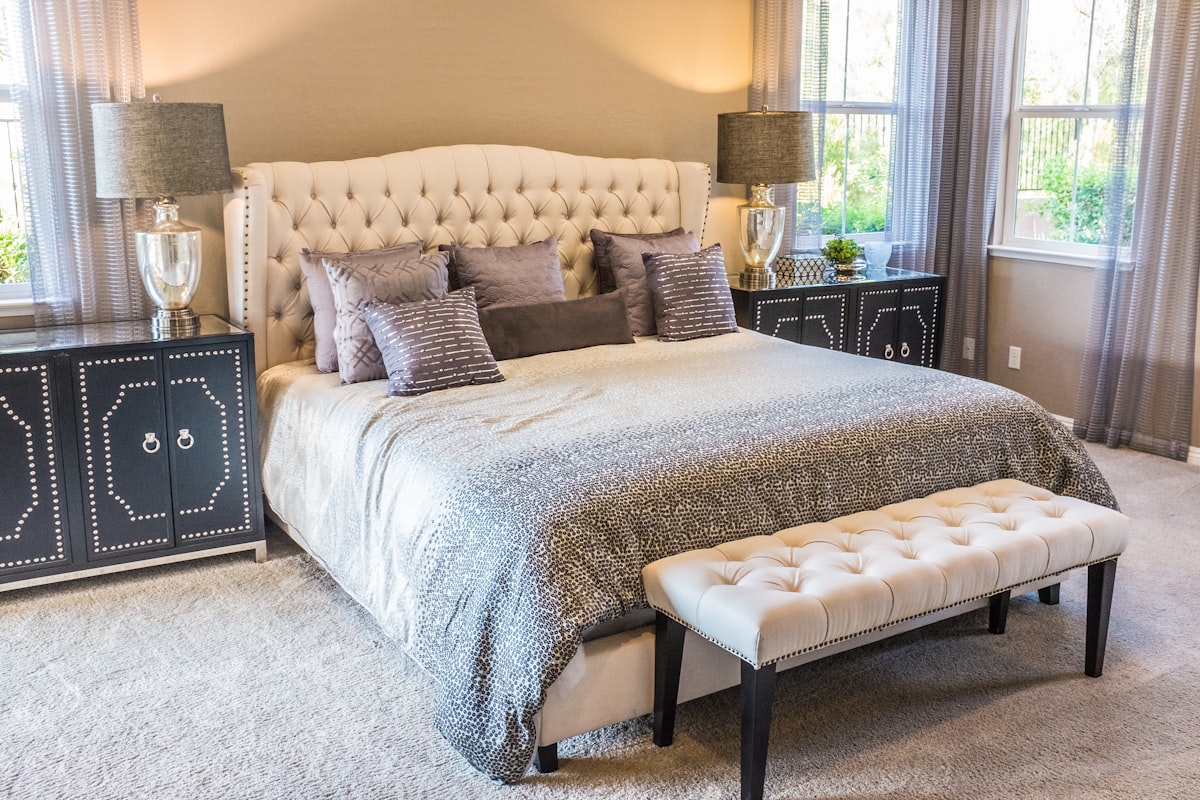
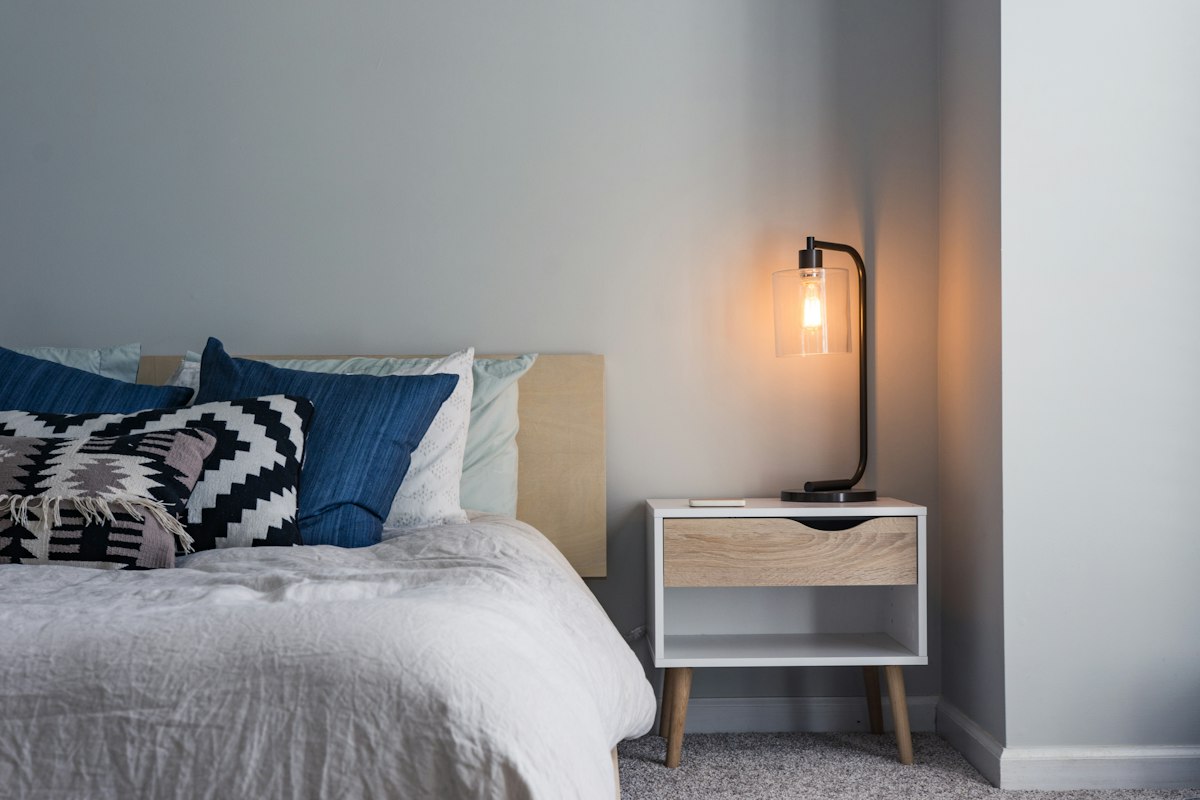
LED desk or bedside lamps add a second layer of warm ambient light that makes the room feel deeper and more intentional. A warm-toned lamp on your desk or bedside table does double duty: it’s functional for reading or working, and it adds a soft glow that photographs beautifully. Look for a simple design that fits your palette - you don’t need something elaborate, just something that emits the right warmth.
Cloud LED lamps have become a staple of the aesthetic room genre for good reason. A quality cloud lamp looks exactly like the Pinterest photos - softly glowing, sculptural, interesting even when it’s switched off. Good ones are now available in India at reasonable prices and they make a strong statement as a shelf or desk piece.
Neon-effect LED signs can work as a focal point, but use them sparingly. One sign per room, maximum. A word or short phrase in warm amber or pastel pink can add personality. Multiple signs in different colours create chaos.
What to Look For When Buying
Colour temperature: Always 2700K–3000K. If the listing doesn’t specify, look at the product photos - if the light looks white or blue rather than golden, skip it.
Wire type for string lights: Copper wire looks significantly better than plastic-coated wire. It’s thinner, more flexible, and has a warm metallic quality that adds to the aesthetic even in daylight. Plastic wire looks cheap and is harder to shape around objects.
Power source: USB-powered string lights are more flexible than plug-in ones because you can power them from a laptop, phone charger, or power bank - useful for desks and shelves where an outlet might not be nearby. Plug-in lights are better for longer runs like headboard walls.
Wiring quality: Don’t buy the cheapest option on the market. Poorly made LED lights can flicker, fail within weeks, or in rare cases cause electrical issues. A slightly higher spend on a reputable product is worth it.
How to Layer Your Lighting
The secret to the warm, dimensional look in aesthetic room photos is layered lighting. No single light source creates that effect - it takes at least two or three working together.
Layer 1 (ambient): Your overhead ceiling light. In an aesthetic room setup, this is usually dimmed low or turned off entirely in the evenings. It’s the background, not the feature.
Layer 2 (task): A desk lamp or bedside lamp. Warm-toned, positioned to light a specific area. This is the light you actually use.
Layer 3 (accent): Your fairy lights, your cloud lamp, your decorative LED. These aren’t for seeing by - they’re for atmosphere.
When all three layers are working together, the room has depth, warmth, and the kind of intentionality that makes it look designed rather than just furnished.
Placement Ideas
Where you put your lights matters as much as which lights you buy.
Running string lights behind your TV or monitor creates bias lighting - a soft glow around the screen that reduces eye strain and makes the setup look more considered. This is a popular technique in desk setup photos for good reason.
Along the headboard wall is the classic placement: lights draped or pinned along the top edge of the wall behind the bed. The light pools downward and creates a warm halo effect that photographs beautifully.
On shelves, tucked between books and objects, fairy lights add a subtle sparkle that makes even a simple shelf arrangement look curated. Keep them loose rather than tightly coiled.
Framing a mirror with string lights is a bathroom and vanity staple, but it works just as well in a bedroom. The reflected light doubles the effect.
Shop aesthetic LED lights at PaperHue →
The right lighting transforms a room faster than any other single change. Get the colour temperature right, layer your sources, and place them where they’ll have the most impact. The entire setup can cost well under ₹1,000 if you’re thoughtful about it.